
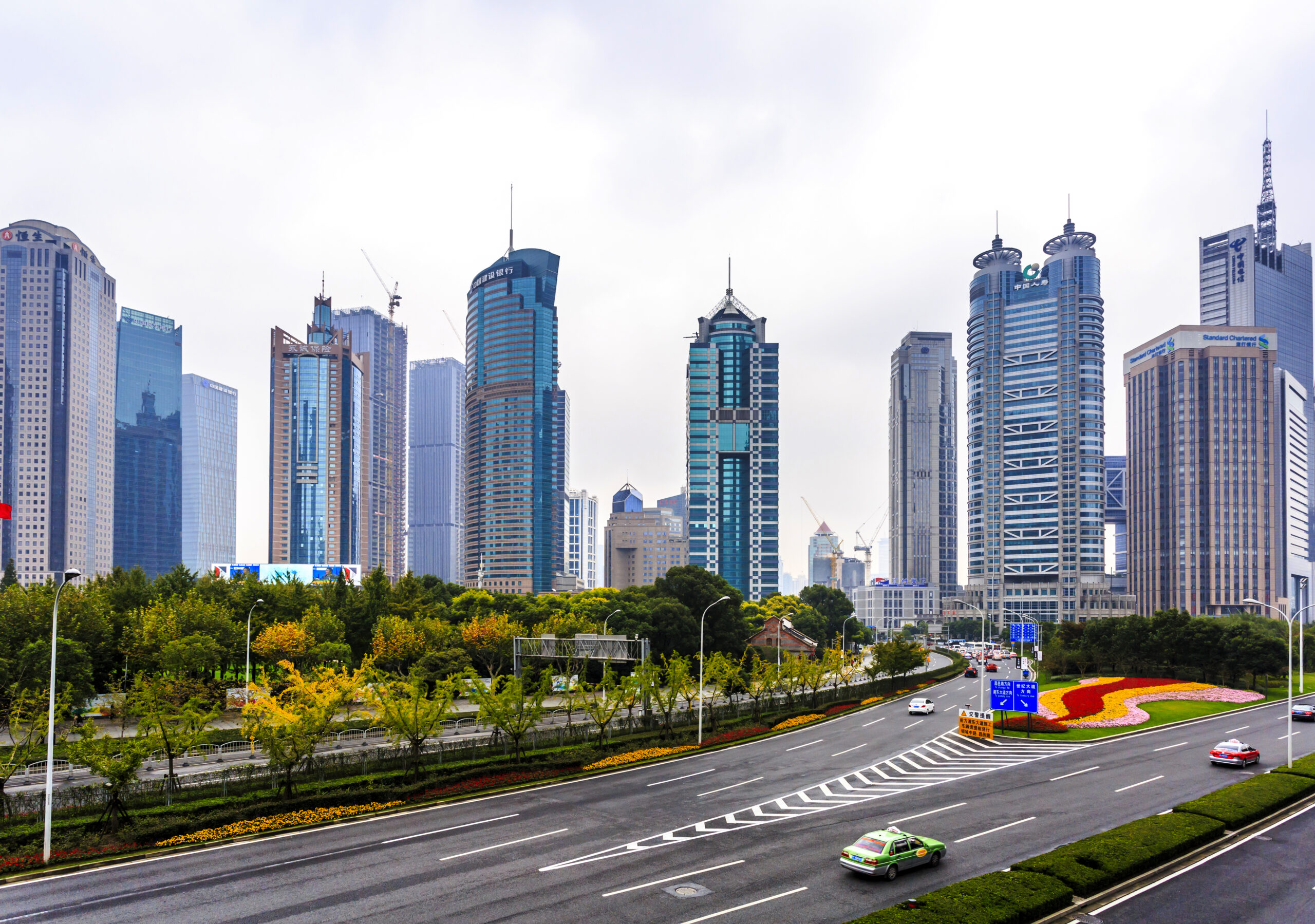
Commercial office space refers to real estate properties specifically designed and utilized for business activities. These spaces are not intended for residential use; rather, they are created to facilitate the daily operations of companies, startups, corporations, and professional service providers. Simply put, commercial office space is a venue where businesses operate, employees work, meetings take place, and professional growth occurs.
In today’s world, commercial office space is not limited to large corporate buildings in major cities. With the rapid growth of industries such as IT, e-commerce, finance, consulting, and startups, the demand for office space has surged in both metropolitan areas and emerging Tier-2 cities.
- What is commercial office space?
Commercial office space is a designated physical location used exclusively for business purposes. It can range from a single room or an entire floor to a sprawling corporate campus.
Common users include:
IT companies and software firms
Multinational Corporations (MNCs)
Startups and entrepreneurs
Co-working communities
Financial and legal firms
Call centers and BPOs
Consultancy agencies
The primary objective of office space is to create a productive, organized, and professional environment that supports business operations.
- Types of commercial office space
(1) Traditional office space
This is a conventional model in which a company rents or purchases an entire office unit or building.
Key features:
Long-term lease agreements (5–15 years or more)
Full control and customization of the workspace
Dedicated infrastructure for a single organization
Large IT companies and established corporations often prefer this model because it offers stability and control over the workspace design. (2) Co-working Spaces
Co-working spaces are shared office environments where individuals and companies work in a flexible setup. This is one of the fastest-growing trends in modern real estate.
Key features:
Flexible rental plans (daily, weekly, or monthly)
Shared infrastructure such as Wi-Fi, meeting rooms, and cafeterias
Ideal for freelancers, startups, and small teams
Prominent co-working operators include brands like WeWork and Awfis. These spaces foster networking, collaboration, and cost savings.
(3) Serviced Offices
Serviced offices are fully furnished, ready-to-use office spaces managed by a service provider. Key features:
Plug-and-play setup
Maintenance and utilities included
Suitable for small and medium-sized companies
Immediate setup without long-term commitments
This model is popular among companies expanding into new cities.
(4) Virtual Offices
Virtual offices do not necessarily provide a physical workspace but offer a business address and associated services.
Key features:
Professional business address
Mail handling and communication services
Used for company registration and GST compliance
Cost-effective for remote businesses
- Factors Determining Office Space Costs
The cost of commercial office space depends on several key factors:
(1) Location
Prime business districts—such as Mumbai’s Bandra Kurla Complex (BKC), Gurgaon Cyber City in Delhi-NCR, or Bengaluru’s Whitefield—command premium prices due to high demand and excellent connectivity. (2) Building Grade
Grade A: Premium buildings with modern infrastructure
Grade B: Mid-range office buildings
Grade C: Budget-friendly or older properties
(3) Amenities
Amenities such as parking, security, power backup, elevators, and food courts significantly influence rental rates.
(4) Connectivity
Proximity to metro stations, highways, airports, and public transport drives up demand and prices.
- Trends in India’s Commercial Office Market
India’s commercial office market has witnessed tremendous growth over the past decade. Several factors drive this expansion:
Growth of the IT and software export industry
Entry and expansion of global companies
Rapid rise of startups and unicorns
Increase in outsourcing and BPO activities
Adoption of hybrid and remote work models
Key office markets in India:
Bengaluru – India’s primary IT hub
Hyderabad – One of the fastest-growing office markets
Mumbai – Financial and corporate headquarters
Delhi NCR – Major business and consulting hub
Pune – Emerging IT and manufacturing center
These cities continue to attract both domestic and international investors.
- Commercial Office Space as an Investment
Commercial office space is often considered a stable, long-term real estate investment option. Benefits include:
Consistent rental income
Long-term lease agreements with corporate tenants
Higher potential for property appreciation in prime locations
Lower risk of payment default compared to residential tenants
For instance, an investor owning office space in a business district like Gurgaon or Bengaluru can benefit from both steady monthly rental income and property value appreciation over time.
6. Risks and Challenges
Despite its benefits, commercial real estate also carries certain risks:
(1) Vacancy Risk
If a tenant leaves, the property may remain unoccupied for a period, leading to income loss.
(2) Economic Slowdowns
During recessions or global downturns, companies may reduce expansion or downsize office requirements.
(3) High Initial Investment
Commercial properties require significantly higher capital compared to residential real estate.
(4) Maintenance Costs
Large office buildings involve ongoing maintenance, management fees, and operational expenses.
7. Modern Trends in Office Spaces (2026 Outlook)
The commercial office sector is rapidly evolving with new workplace trends:
(1) Smart Offices
Technology-driven offices now include:
- AI-based security systems
- Automated lighting and climate control
- Smart access systems
(2) Green Buildings
Eco-friendly designs are becoming standard, featuring:
- Energy-efficient systems
- Sustainable materials
- LEED-certified buildings
(3) Hybrid Work Models
Modern offices are designed for flexible work arrangements:
- Hot desks
- Collaboration zones
- Remote + in-office balance
(4) Experience-Oriented Workspaces
Companies now focus on employee well-being by creating:
- Recreational zones
- Wellness areas
- Open and creative layouts
8. Future of Commercial Office Space
The future of office real estate is expected to evolve significantly:
- Hybrid work culture will continue to grow
- Co-working spaces will expand further
- Demand will increase in Tier-2 and Tier-3 cities
- Smart and automated offices will become the norm
- Flexibility will be the most important factor in workspace design
Businesses are increasingly prioritizing efficiency, cost optimization, and employee experience, which will shape the next generation of office spaces.
Conclusion
Commercial office space is a crucial part of the modern economy. It is not just a physical location for work but a foundation for business growth, collaboration, and innovation. In India and globally, the demand for well-designed office spaces continues to rise due to expanding industries and changing work cultures.
When chosen wisely, commercial office space can be a powerful asset for both businesses and investors, offering long-term stability, income, and appreciation potential.

